Landslide Risk Assessment
The crucial first step in managing the impact of landslides on people or property is a slope stability assessment or landslide risk assessment.
These assessments involve investigation and characterization of a sloping site and identify potential landslide or instability hazards. The risk assessment process then combines the likelihood of the landslide hazard occurring, and the potential consequences to people or property should the event occur, to derive a risk level that guides decision making on risk acceptance or risk management.
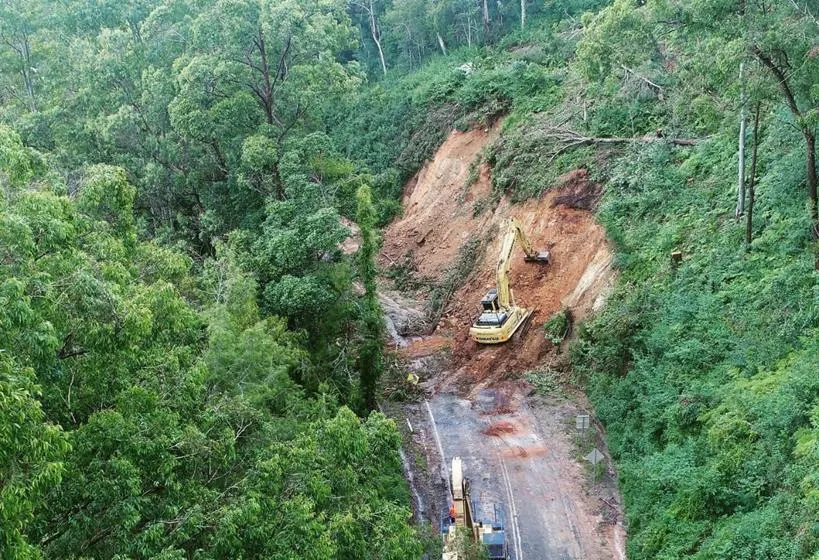
Regional Geotechnical Solutions has a team of landslide risk assessors that undertake both qualitative and quantitative assessments of landslide risk using industry accepted practices and protocols. Our experts are trained in undertaking risk assessments to the TfNSW Slope Risk Assessment Guidelines, Australian Geomechanics Society (2007) Guidelines and NSW National Parks and Wildlife Services Landslide and Rockfall risk assessment guidelines. The risk assessment can involve a range of site investigation techniques to gain a thorough understanding of site conditions and then assess slope processes, the type of failure that could occur, contributing factors, and potential trigger mechanisms that could result in failure. This often involves back-analysis modelling of failed slopes to derive an understanding of conditions at failure, with the model then used to assist in risk management or risk prevention decisions.